
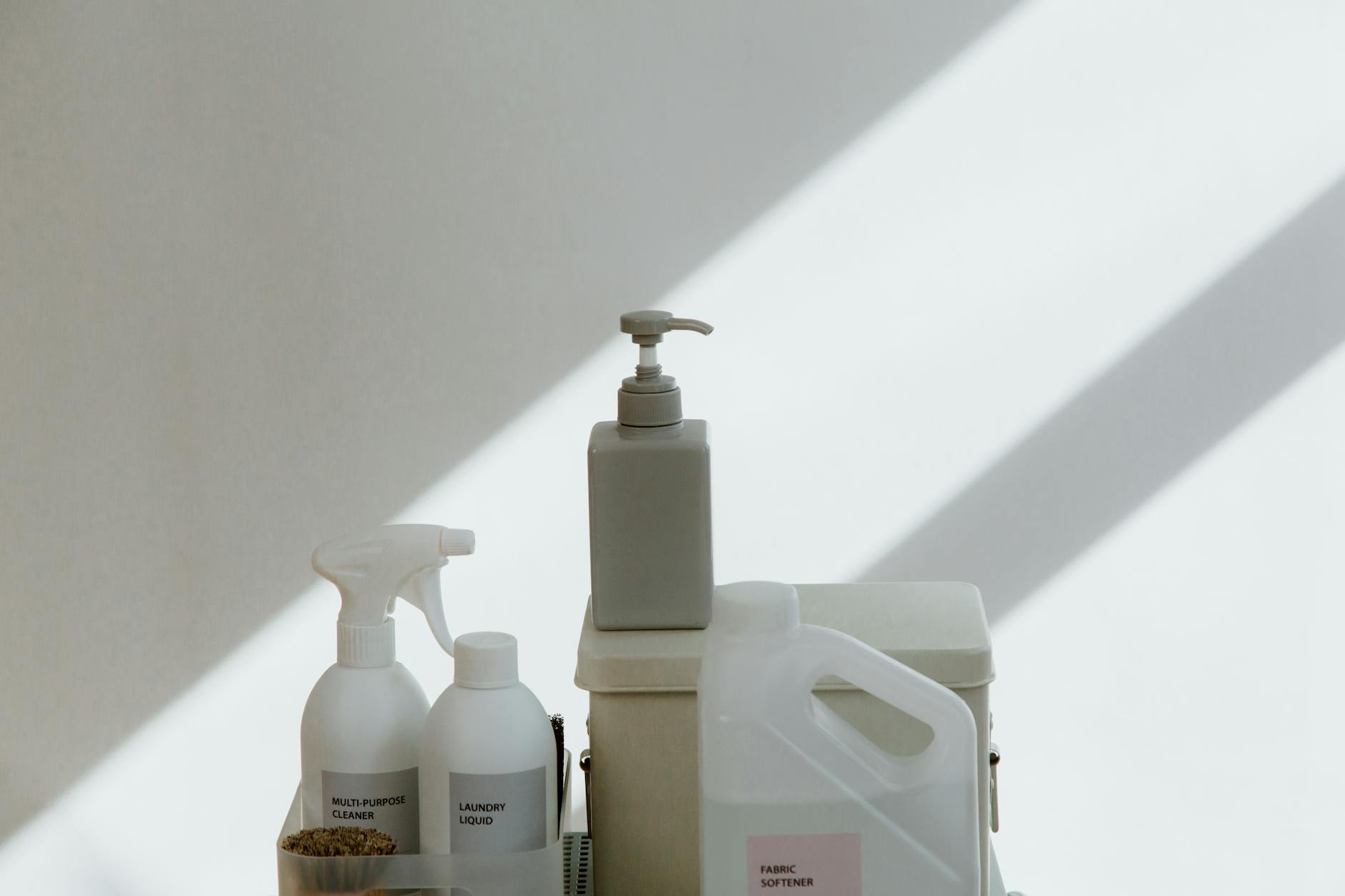
If you’ve ever started researching “non-toxic” or “low-tox” living, you know how quickly it can go from “I just wanted a new dish soap” to “Apparently my entire house is a hazmat site.”
Add in the price tags on some of the “clean” brands, plus the pressure to be the perfect mom who never makes a wrong choice, and it’s no wonder so many of us feel stuck.
This post is my honest, realistic approach to low-tox living: no panic, no perfectionism, just small steps, better choices, and a lot of grace for yourself along the way.
Key notes
Why Low-Tox Living Can Feel So Overwhelming
The all-or-nothing pressure
A lot of the content out there makes it sound like you either:
- Throw away half your house and rebuild everything from scratch
or - You clearly do not care about your health or your kids at all
That is a lie. Low-tox living does not have to be an all-or-nothing identity. It can simply be a direction you’re moving in.
The fear-based messaging
There are definitely ingredients and products worth being thoughtful about—but sometimes the way that information is shared is more fear-based than helpful.
If every post you read leaves you feeling panicked, ashamed, or like you can’t trust anything, it’s very hard to make calm, wise decisions. You might shut down entirely, or you might throw money at anything labeled “clean” without really understanding what you’re buying.
The reality of budgets and busy seasons
Most of us are not living with unlimited time or money. We have:
- Groceries to buy
- Kids to care for
- Jobs, homes, responsibilities
- And actual budgets
A realistic approach has to respect that. You can care deeply about your health and your home and still need to move slowly, choose mid-range options, or prioritize certain areas over others. That’s not failure—that’s being a human.
What “Realistic Low-Tox” Means Here
When I say “realistic low-tox,” I don’t mean “half-hearted” or “we don’t really care.” I mean it in the best way—thoughtful, sustainable, and doable.
One small step at a time
Instead of “overhaul your whole life in 30 days,” I believe in:
- One product at a time
- One habit at a time
- One small area of your home at a time
You’re far more likely to stick with changes that feel manageable than a giant project that burns you out in a week.
Good–better–best, not “perfect or nothing”
I like to think in terms of:
- Good: A cleaner option than what you were using before
- Better: A more ingredient-conscious brand or product
- Best: The cleanest, most aligned option that fits your life
Some areas you might go straight to “best.” Others you might land on “good” or “better” for a long time. All of that is still progress.
Grace for what you didn’t know before
We have all used products in the past that, looking back, we might not choose again. That doesn’t mean you failed or harmed your family on purpose. It means you learned.
Realistic low-tox living leaves room for:
- Changing your mind as you learn
- Doing better now that you know better
- Not beating yourself up for the past
How to Start Low-Tox Living Without Burning Everything Down
Let’s make this really practical.
Step 1: Notice what you use the most
Instead of trying to change everything, start by noticing your daily products:
- What do you touch, smell, or use every single day?
- What’s always on your counters, in your hands, on your skin?
For most people, that’s things like:
- All-purpose cleaner or dish soap
- Hand soap
- Laundry detergent and dryer products
- A couple of key beauty products
Those are often the highest-impact places to start.
Step 2: Choose one area to focus on
Pick one category for now:
- Home (cleaning, laundry, fragrance)
- Beauty (skincare, makeup, body care)
- Supplements & wellness
You can ask yourself: “Where am I the most curious or concerned?” or “Where would a small change feel most encouraging right now?”
Step 3: Swap as you run out, not all at once
You usually do not have to rush to the trash can and throw everything away.
Instead:
- Make a short list of products you’d like to eventually swap.
- When one runs out, replace it with a better option.
- Repeat over months, not days.
This approach is easier on your budget and your nervous system—and it still adds up.
Balancing Health, Budget, and Mental Load
You’re not just buying products. You’re also spending:
- Emotional energy
- Time researching
- Actual money
A realistic approach honors all three.
Why “the best” option isn’t always realistic
Sometimes the “cleanest” possible product is:
- Very expensive
- Hard to find or ship
- Not something your family will actually use without complaining
If the “best” option sits in your cabinet because no one likes it, that’s not serving you. It’s okay to choose something a little less “perfect” that your family will actually use.
How to make peace with mid-range choices
You might decide that:
- You’ll go very clean on things you use daily (like skincare or laundry)
- You’ll choose “better but not perfect” for certain home products
- You’ll stick with something mid-range until your budget changes
That doesn’t mean you’re not committed. It means you’re wise.
When to splurge and when to save
A simple framework:
- Splurge on:
- Products that stay on your skin (moisturizers, serums, some makeup)
- Products used every day (laundry, soap, main cleaner)
- Save on:
- Things used rarely
- Simple DIYs where you enjoy the process or it’s truly cheaper
- Mid-range options that are cleaner than your old picks but still accessible
You get to decide what makes sense for your family.
My Personal Low-Tox “Rules” (That Are Actually Flexible)
I don’t love strict rules, but I do have a few guiding principles I try to follow:
- Use what I have before I replace it
Unless something is actively causing an issue, I usually finish it before upgrading. - Upgrade the things I use daily first
That’s where I get the most impact for my money and energy. - Ask “Do I notice a difference?”
Whether it’s a supplement, a home product, or skincare—if I never notice any change, I’m less likely to keep it in my routine. - Avoid decisions made purely out of fear
I try to choose products because I understand them, not because I’m panicking. - Remember that my worth as a mom is not in my products
My value is not measured by my laundry detergent or how “clean” my house ranks on Instagram.
You’re welcome to borrow these “rules” or tweak them to fit your own life.
Simple Ways to Make Progress This Month
Here are a few easy wins you could choose from over the next 30 days:
- Swap your all-purpose cleaner when you run out.
- Choose a gentler hand soap for the sink you use most.
- Pick one laundry detergent that’s a step up from what you’re using.
- Replace one heavily fragranced item (plug-in, spray, or candle) with a lighter option you feel good about.
- Learn about one ingredient you want to be more mindful of next time you shop.
You don’t need to do all of these. Even one or two is a step in a low-tox direction.
FAQs About Low-Tox Living
Q: Am I a “low-tox mom” if I still have some conventional products in my house?
A: Yes. Low-tox living isn’t a club you’re either in or out of—it’s a direction. If you’re learning, making swaps where you can, and paying attention, you’re already on the path.
Q: Do I have to DIY everything to really be low-tox?
A: No. Some people love DIY; others don’t have time or interest. You can mix DIY and store-bought, or go fully store-bought with better options. Whatever works for your life is valid.
Q: What if my partner or family isn’t fully on board?
A: Start with the things you personally use and control, and choose swaps that won’t rock the boat too hard. Often, people adjust as they see that the new products still work and don’t feel like a downgrade.
Q: I’m on a tight budget. Is low-tox even possible?
A: Yes, but it may be slower—and that’s okay. Focus on the highest-impact items (like daily cleaners and laundry) and on reducing certain exposures (like heavy artificial fragrances) before buying a ton of new things.
Q: How do I know which information to trust?
A: Look for sources that explain why something might be a concern, not just ones that shout “toxic!” without context. Pay attention to how you feel when you read their content—if it’s always fear-based, it might not be the healthiest place to camp out.
Where to Go Next on Your Low-Tox Journey
If this resonated with you, here are some next steps you can take:
- Read: Simple Non-Toxic Swaps for Your Home That Don’t Feel Overwhelming for specific, practical home ideas.
- Read: Supplements I Actually Notice a Difference With if you’re curious about realistic wellness support.
- Browse: My Shop page to see the actual products I use and recommend for home, beauty, and supplements.
And if you don’t want to keep track of every post, you can have me send the simple stuff to you:
Be the first to hear about new realistic low-tox tips, honest product recs, and simple wellness wins for busy moms—delivered straight to your inbox.
You can add your email in the box below, and I’ll send you gentle, doable ideas—not pressure or perfection.

Join our Mailing List
If you want simple, realistic ideas sent straight to you (so you don’t have to keep track of every post), you can join my email list.
Be the first to hear about new realistic low-tox tips, honest product recs, and simple wellness wins for busy moms—delivered straight to your inbox.


By submitting your information, you`re giving us permission to email you. You may unsubscribe at any time.